







RAM 2500 Diesel Maintenance Schedule by Mileage
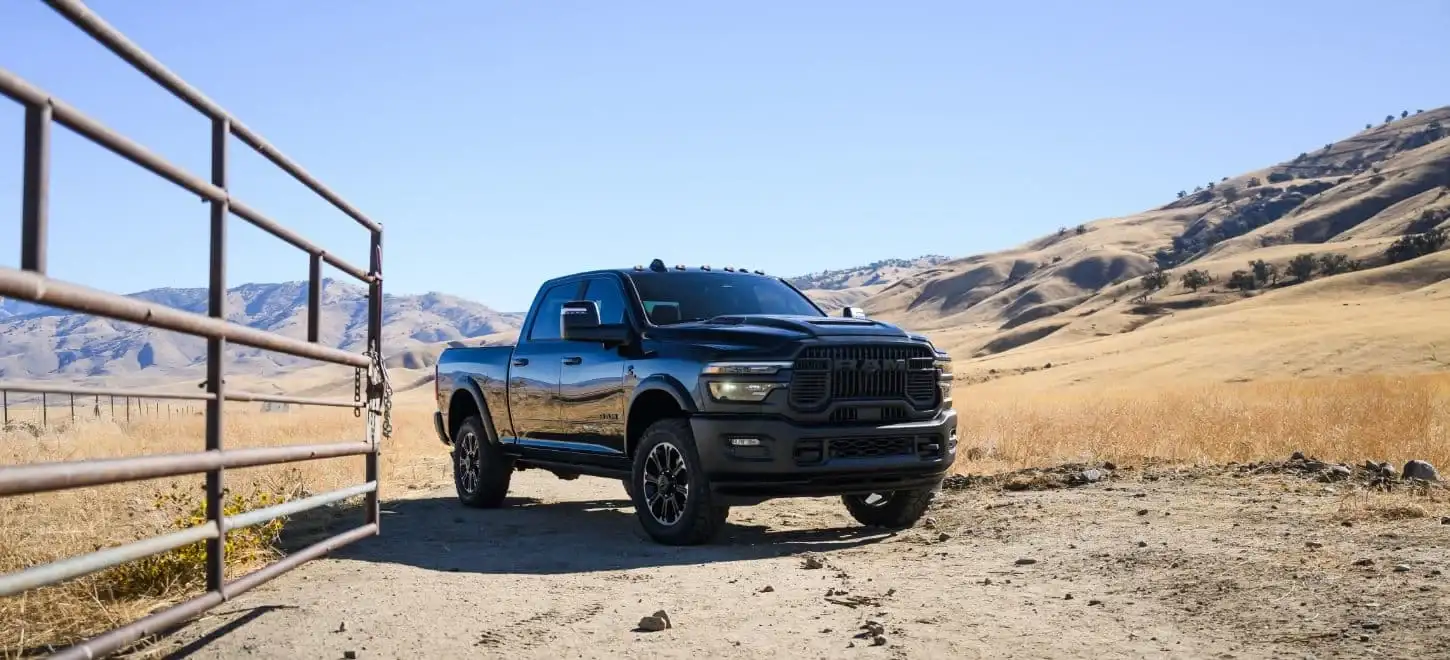
A RAM 2500 diesel earns its keep in ways a commuter vehicle never has to. It may pull a camper toward Wisconsin, carry equipment through Waukegan, or spend long days idling and hauling around northern Lake County. A sensible RAM 2500 diesel maintenance schedule protects the engine, transmission, towing capability, and long-term reliability that made you choose a heavy-duty truck in the first place.
The right interval depends on your model year, engine configuration, and how the truck is used. The owner’s manual and dash maintenance monitor are the final authority for your specific truck. Still, the mileage-based guide below gives RAM 2500 owners a practical way to plan service and spot the jobs that deserve attention before they become expensive repairs.
Start With How You Use Your RAM 2500
Mileage is only part of the picture. A truck that runs unloaded on the highway most days experiences very different conditions than one that tows a horse trailer, plows snow, idles at job sites, or takes repeated short trips in winter.
RAM considers frequent towing, extended idling, dusty roads, short-trip driving, and severe cold or heat more demanding service conditions. If those describe your truck, follow the severe-duty intervals in the owner’s manual rather than waiting for the longest listed mileage interval. In Illinois, winter starts, road salt, and stop-and-go driving can add up quickly, even for a truck that does not seem to cover many miles.
RAM 2500 Diesel Maintenance Schedule at a Glance
Every month or before a towing trip
Walk around the truck and look for leaks, damaged tires, uneven tire wear, loose trailer wiring, and corrosion around the battery terminals. Check engine oil, coolant, brake fluid, windshield washer fluid, and diesel exhaust fluid, commonly called DEF.
The 6.7L Cummins turbo diesel uses DEF as part of its emissions system. Do not treat the DEF warning as something to handle later. A low tank can eventually limit vehicle performance, and contaminated or outdated DEF can cause avoidable trouble. Use fresh, properly stored DEF and avoid transferring it through containers that have held another fluid.
Before a long tow, verify tire pressures when cold, including the spare. The correct pressure is on the driver’s door-jamb label, not simply the maximum pressure printed on the tire sidewall. A heavy trailer makes tire condition, trailer brake operation, and load distribution just as relevant as engine maintenance.
Around every 7,500 to 15,000 miles
For many RAM 2500 diesel trucks, this is the key oil-service window. Under normal driving, the engine oil and filter interval may extend toward 15,000 miles or six months. Severe use may call for service closer to 7,500 miles. Your truck’s oil-life indicator and manual should guide the decision.
Use oil that meets the specification listed for your model year. Diesel engines place high demands on their lubricant, particularly when towing, idling, or operating in cold weather. Using the correct viscosity and approved oil category matters more than choosing a generic oil based on price or a familiar label.
This is also a good time to rotate the tires and inspect the brakes, steering components, suspension, driveshafts, exhaust system, and underbody. Regular rotations help preserve even tread wear, which is especially valuable on a truck that sees changing payloads or trailer weight.
Around every 15,000 miles or 12 months
Plan to replace the diesel fuel filters at the interval listed for your specific RAM 2500. Many Cummins-equipped trucks use an approximately 15,000-mile or annual fuel-filter interval, but model-year requirements can differ.
Clean fuel is not optional on a modern high-pressure diesel injection system. A neglected filter can restrict fuel flow or allow contaminants to reach components that are far more costly than routine maintenance. If you buy fuel at low-volume stations, operate in dusty conditions, or suspect water contamination, have the system checked sooner.
Your technician should also inspect or drain the fuel-water separator when required. Water in diesel fuel can damage the fuel system and may trigger a warning message. Do not ignore that warning or assume it will clear on its own.
Around every 30,000 miles
At this point, a more thorough inspection makes sense. Have the engine air filter checked and replace it if it is restricted or damaged. Some trucks will need an air filter earlier when they work around gravel, farm roads, construction areas, or other dusty locations.
Inspect the front and rear brake pads, rotors, flexible brake hoses, parking brake, and wheel bearings. Heavy-duty trucks can go through brakes at very different rates. A RAM 2500 used mainly for highway travel may have plenty of pad material left, while a truck that tows regularly through traffic may need attention sooner.
Also inspect the serpentine belt, cooling-system hoses, battery condition, and connections. Diesel engines depend on strong batteries, particularly during cold Midwest mornings. Slow cranking, a repeated battery warning, or an aging battery is a reason to test the electrical system before winter rather than waiting for a no-start situation.
Around every 60,000 miles
Transmission, transfer case, and axle fluid service often becomes a conversation around this mileage, especially for trucks that tow, haul, plow, or operate in severe conditions. The exact recommendation varies based on whether your truck has the 68RFE, the Aisin, or the newer TorqueFlite HD eight-speed transmission, four-wheel drive configuration, axle equipment, and model year.
This is one area where a one-size-fits-all internet interval can be misleading. Fluid type, capacity, and service procedure matter. An incorrect transmission fluid or an incomplete service can create more problems than it solves. A factory-trained technician can confirm the proper schedule from your VIN and how you use the truck.
If your RAM 2500 has four-wheel drive, have the transfer case and front axle checked for leaks and fluid condition. Four-wheel drive may see limited use through much of the year, but snow, boat ramps, muddy jobsites, and winter roads can put meaningful stress on those components.
Around 100,000 to 150,000 miles
Higher-mileage service should include a close look at the cooling system, belts, hoses, turbocharger plumbing, suspension, steering linkage, and emissions components. Many modern long-life coolants can have intervals that reach well beyond 100,000 miles, depending on the model year and coolant used. Confirm the interval before replacing it early or leaving it in service too long.
The diesel particulate filter and selective catalytic reduction system also deserve professional attention if you notice frequent regeneration messages, reduced power, warning lights, unusual exhaust odor, or declining fuel economy. Regeneration is normal, but repeated incomplete regeneration caused by short trips or excessive idling can point to a usage issue or a system concern.
Do Not Forget the Maintenance Items Between Services
A dependable diesel truck is helped by small habits. Let the engine warm briefly before placing it under a heavy load, but avoid excessive idling. Give the turbocharger a short cool-down period after a hard pull when conditions call for it. Keep the fuel tank reasonably full during very cold weather to reduce condensation, and use diesel fuel appropriate for winter conditions.
Watch the instrument cluster. A check-engine light, water-in-fuel message, DEF warning, or change in transmission behavior is useful information, not background noise. Addressing a warning early usually gives you more options than waiting until the truck enters a reduced-power mode.
Keep Records That Match the Truck’s Work
Save service records, including the mileage, date, fluids used, filter replacements, and any towing-related repairs. This makes it easier to maintain warranty documentation, diagnose recurring concerns, and support the truck’s value if you later trade it in or sell it.
For drivers who tow regularly, write down what you pull and how often. A truck that makes occasional light trailer runs may follow a different practical rhythm than one hauling equipment every week. Honest maintenance planning starts with an honest view of the workload.
If you are unsure whether your RAM 2500 is due for fuel filters, drivetrain fluids, brakes, or a seasonal inspection, schedule service with Gurnee Chrysler Jeep Dodge RAM. Bring your VIN and a quick description of how you use the truck, and the service team can help build a maintenance plan that fits the miles and the work ahead.
Frequently Asked Questions
How does northern Illinois winter affect a RAM 2500 diesel?
Cold mornings put extra demand on batteries, fuel and glow or grid heater systems. Use winter-blend diesel from busy stations, keep the tank reasonably full and test the batteries before the first hard freeze. If your truck has an engine block heater, plugging it in on very cold nights can help it start more easily around Gurnee and Lake County.
What happens if my RAM 2500 runs low on DEF?
The truck displays warnings as the DEF level drops. If the tank runs empty, the emissions system can limit engine performance and speed until fresh DEF is added. Refill when the warning first appears, use DEF that meets the required standard and keep spare containers sealed and out of extreme heat so the fluid stays usable.
Do I have to service my RAM 2500 at the dealer to keep the warranty?
Federal law generally lets owners have routine maintenance done at any qualified shop without voiding the warranty, as long as the work follows the manufacturer schedule and uses the correct parts and fluids. Keep detailed records and receipts. A RAM dealer service center offers factory-trained technicians and can also handle recall and warranty repairs for your truck.
Does snow plowing count as severe service for a RAM 2500?
Plowing typically means heavy loads, low speeds and long idle periods, which are the kinds of conditions the owner’s manual treats as more demanding. Many owners who plow follow the severe-duty intervals for oil, filters and fluids. Check your manual for your model year and ask a service advisor to review your plow setup and usage.
0 comment(s) so far on RAM 2500 Diesel Maintenance Schedule by Mileage