







ProMaster Cargo Van: Practical Buying Guide
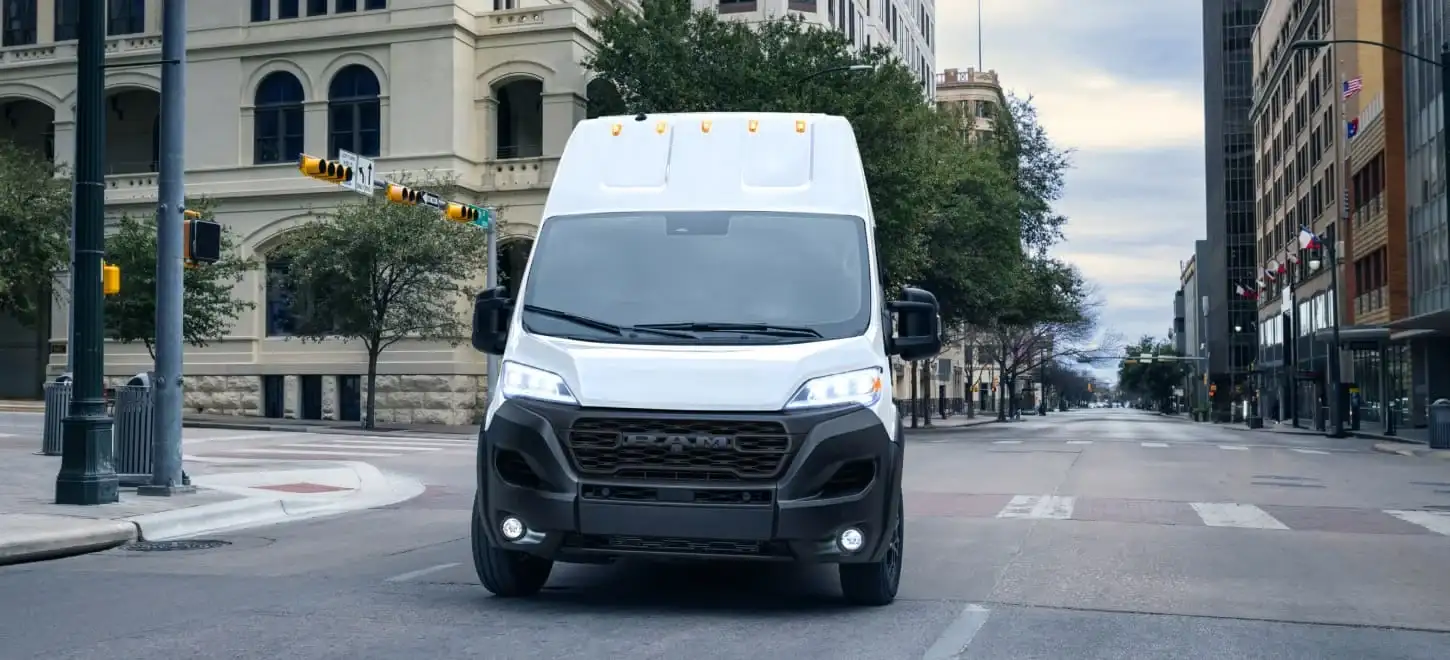
A RAM ProMaster cargo van earns its keep when it helps a business carry more, organize better, and spend less time fighting with loading space. For contractors, delivery operators, mobile service teams, and growing small businesses around northern Lake County, the real question is not whether a van looks capable on a spec sheet. It is whether its layout works on a Monday morning with tools, materials, shelves, and a full route ahead.
What Makes the ProMaster Cargo Van Different?
The ProMaster is built around a front-wheel-drive layout, which sets it apart from many traditional rear-wheel-drive work vans. By placing the drivetrain up front, RAM can offer a low cargo floor and a nearly vertical rear body shape. That combination makes stepping in and out easier, while the square cargo area gives upfitters more usable wall and floor space.
It is a practical design choice. A plumber carrying pipe racks and parts bins may care more about straight walls than about a flashy exterior. An electrician who climbs in and out of the van all day may appreciate a lower step-in height. For a business that makes frequent stops in Waukegan, Libertyville, or Grayslake, those small efficiencies can add up over a workweek.
The gas ProMaster uses a 3.6-liter Pentastar V6 rated at 276 horsepower and a TorqueFlite automatic transmission. Ram has also offered a battery-electric ProMaster EV. The powertrain is designed for everyday commercial driving rather than for performance driving, and it provides the predictable acceleration needed when a loaded van is merging onto Route 41 or moving through stop-and-go traffic.
Choosing the Right ProMaster Cargo Van Size
A cargo van that is too short creates storage problems. One that is oversized can be harder to park, cost more to upfit, and carry unused space every day. The right ProMaster starts with an honest look at what goes in the back.
Wheelbase and cargo length
ProMaster cargo vans are available in multiple wheelbase and body-length configurations. Shorter models are often a good fit for service businesses that need to access neighborhoods, parking lots, and tighter job sites. Longer-wheelbase models make more sense for delivery operations, contractors carrying long materials, or businesses that need a dedicated workbench behind the front seats.
Before choosing a length, measure the items that dictate your day. That could be eight-foot ladder racks, water heaters, sheet goods, shelving modules, or rolling equipment cases. Measure with doors closed, not just with a tape line across the floor. You also need room to secure the load safely and move around it.
Roof height and standing room
A higher roof can be one of the most valuable upgrades for a mobile workspace. If employees regularly retrieve parts, complete paperwork, or work inside the cargo area, standing room can reduce fatigue and make the van more useful. On the other hand, a lower-roof configuration may be preferable if your routes include parking garages, covered loading areas, or sites with height restrictions.
This is one area where it depends on the job. A courier may prioritize maneuverability. A telecom installer or mobile repair business may prioritize interior access and storage height.
Width where it matters
The ProMaster’s wide cargo area is a major reason buyers consider it. Its design provides usable space between the wheel wells, helping it accommodate certain building materials and bulky equipment that can be awkward in narrower vans. Still, do not assume every item will fit based on a brochure measurement. Bring a sample tote, tool case, or equipment cart to a test drive if it is central to your operation.
Plan the Upfit Before You Buy
A bare cargo area is only the starting point. The best ProMaster cargo van setup is built around a clear workflow: what comes out first, what needs to stay locked up, and what gets used most often.
A general contractor may need modular shelving, ladder storage, a partition, and heavy-duty floor protection. A delivery business may prefer open floor space with tie-down points and a simple cargo barrier. A mobile detailing operation could require water storage, power equipment mounts, and ventilation. The van can support very different jobs, but the upfit needs to match the mission.
Think about weight distribution early. Heavy equipment placed along one side can affect handling and make the van harder to load efficiently. Secure shelving to approved mounting points, keep commonly used items near the side or rear doors, and leave access to spare tire and service areas where applicable.
You should also consider security. Windowless cargo doors, interior partitions, quality locks, and organized storage can help protect tools while keeping the cabin quieter. No setup eliminates risk, but a clean, intentional layout makes it easier to notice when something is missing.
Payload and Towing: Know Which Number Matters
Payload is often more relevant than towing for cargo-van buyers. It is the total weight the van can carry, including passengers, tools, shelving, cargo, accessories, and the upfit itself. A shelving package, bulkhead, roof rack, and loaded toolboxes can use a meaningful portion of available payload before you add materials for the day.
The ProMaster offers strong payload capacity when properly configured, but the exact rating varies by wheelbase, roof height, equipment, and model configuration. Check the payload label on the specific van instead of relying on a maximum figure advertised for a different configuration.
Towing capability matters if your business pulls a trailer for equipment, landscaping tools, or supplies. The ProMaster can be equipped for towing, but a trailer changes the driving experience, braking needs, and total weight calculation. Make sure you account for trailer tongue weight, which counts against payload, and confirm that the hitch, wiring, and trailer brakes are appropriate for the load.
For northern Illinois winters, front-wheel drive can be a practical advantage when the cargo area is lightly loaded. With the engine weight over the driven wheels, the van can feel more confident on wet or snowy pavement than some rear-wheel-drive alternatives. That said, tires, load balance, driver habits, and road conditions still matter. Front-wheel drive is helpful, not a substitute for winter-ready equipment and careful driving.
New or Used ProMaster: A Straightforward Decision
A new ProMaster may make the most sense when your business needs a precise configuration, the newest available safety and connectivity features, or a warranty-backed starting point for a long ownership cycle. It also lets you plan an upfit from day one instead of adapting to someone else’s setup.
A used cargo van can be a smart value choice when its condition, maintenance history, and configuration fit your needs. The key is to inspect it as a work tool, not just as a vehicle. Look closely at cargo-floor damage, door operation, tire wear, suspension condition, warning lights, and evidence of hard commercial use. Ask whether shelving or partitions were professionally installed and whether any holes or modifications affect the body or interior.
For either option, take a real test drive. Sit in the driver’s seat with your work boots on. Check mirrors, door openings, visibility, turning feel, and how easily you can reach the cargo area. If several employees will drive it, bring one along. A van that feels right to an owner may not suit the person making ten stops a day.
Keep Your Work Van Working
Commercial vans do not get the luxury of sitting in a garage when something is wrong. Follow the maintenance schedule, pay attention to brake feel and tire condition, and address warning lights early. Regular oil changes, inspections, and tire rotations are basic items, but they also create opportunities to catch wear before it turns into downtime.
Cargo doors deserve extra attention because they are used constantly. If a door starts sticking, a latch feels loose, or weather seals are damaged, schedule service before a small issue becomes a missed day of work. Keeping the cargo area clean also helps technicians spot leaks, damaged tie-downs, and floor wear.
When you are ready to compare configurations, bring your real work needs to Gurnee Chrysler Jeep Dodge RAM. Browse available new or used commercial inventory, discuss financing options for your business, and schedule a test drive with the cargo measurements and equipment questions that matter to your operation.
Frequently Asked Questions
Is the Ram ProMaster good in snow on northern Illinois roads?
The ProMaster’s front-wheel-drive layout places engine weight over the driven wheels, which can help traction on wet or snowy pavement, especially when the cargo area is lightly loaded. Tire choice, load balance, and careful driving still matter most. Many Lake County businesses add winter-rated tires for routes around Gurnee, Waukegan, and the Wisconsin line.
Can a business buy several ProMaster vans at once in Gurnee?
Yes. Businesses adding more than one van can work with Gurnee Chrysler Jeep Dodge Ram on matching configurations, roof heights, and wheelbases so the fleet shares a consistent upfit. Bring details on your routes, loads, and planned shelving so the team can help identify available units and talk through financing options for your business.
What should a ProMaster upfit include for a plumbing or HVAC business?
Most trade upfits start with durable floor protection, a partition, secured shelving, and parts bins arranged so the most used items sit near the side door. Ladder racks, interior lighting, and secure storage for valuable tools are common additions. Plan the layout around payload, since shelving and stocked parts add weight before the day’s materials go in.
How often should a ProMaster cargo van be serviced?
Commercial vans often fall under a severe service schedule because of frequent stops, idling, heavy loads, or towing. Your owner’s manual and the vehicle’s oil change indicator set the specific intervals. Regular inspections of brakes, tires, and cargo doors help reduce downtime, and the Gurnee service team can schedule visits around your work week.
0 comment(s) so far on ProMaster Cargo Van: Practical Buying Guide