





How Does Car Leasing Work? Terms, Miles and Choices
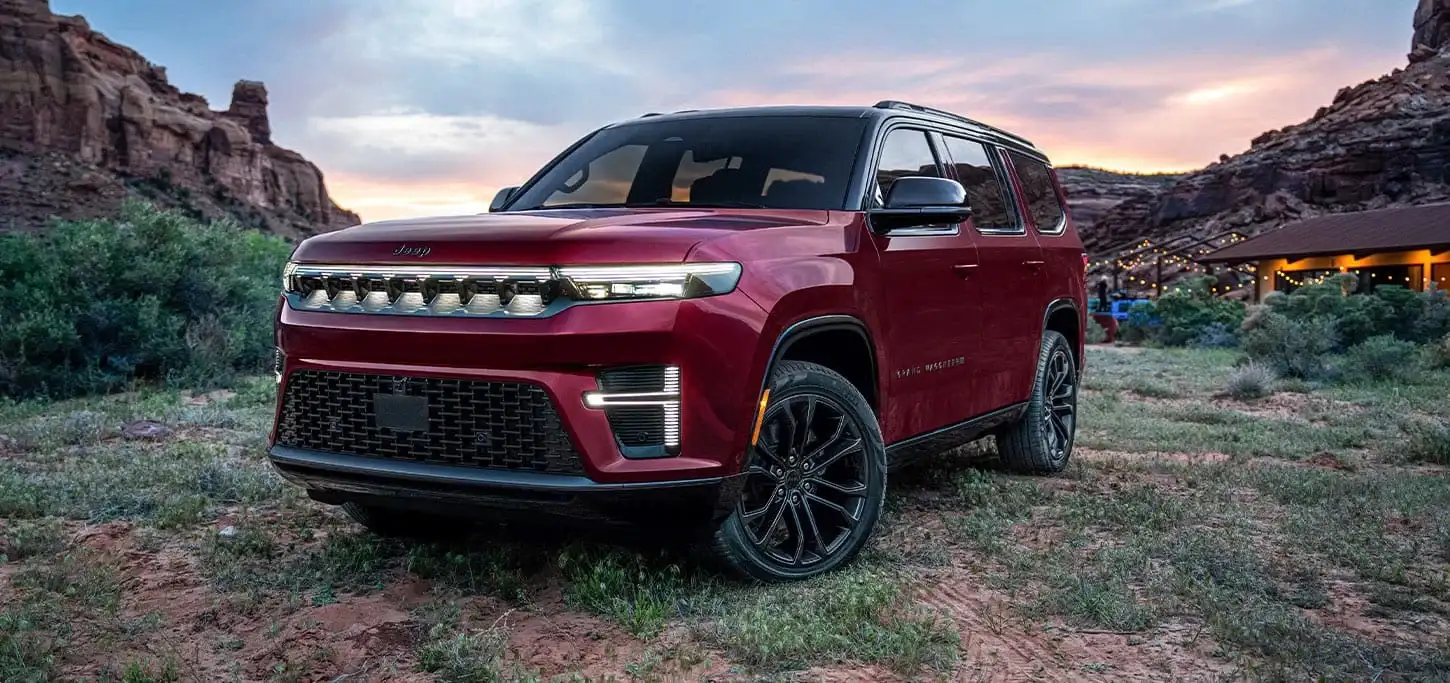
A lease can make sense when you want a new vehicle for the years you will actually use it, not necessarily for the decade after. So, how does car leasing work for a family comparing a Pacifica to an SUV, or for a driver who wants a new Grand Cherokee every few years? You pay for the vehicle’s expected use during a set term, then return it, buy it, or move into another vehicle when the lease ends.
That is the simple version. The details matter because mileage, condition, driving habits, and your plans at the end of the term can make a lease either a practical fit or the wrong choice.
How Does Car Leasing Work From Start to Finish?
When you lease, the leasing company keeps ownership of the vehicle. You agree to use it for a defined number of months, usually with an annual mileage allowance. Your payment is largely based on the vehicle’s expected depreciation during that period – the difference between its negotiated value at the beginning and its estimated value at the end.
That estimated end value is called the residual value. A vehicle expected to retain more of its value may have a lower depreciation portion of the payment than a comparable vehicle with a lower residual value. Your payment may also include a finance charge, taxes, and applicable lease fees.
At signing, you may have a first monthly payment, registration-related costs, taxes, and other required amounts due. Some shoppers choose to put money down, often called a capitalized cost reduction. It can lower the monthly payment, but it is worth thinking carefully before making a large upfront payment. If the vehicle is totaled or stolen early in the lease, that upfront money may not come back to you.
The lease agreement also spells out the mileage limit, maintenance expectations, insurance requirements, and what happens at the end of the term. Read those sections as closely as you would the monthly payment.
The Four Numbers That Shape a Lease
A lease is easier to evaluate when you focus on four moving parts: the vehicle’s agreed-upon value, its residual value, the lease term, and the mileage allowance. Changing any one can change the payment or your potential end-of-lease costs.
The agreed-upon value is the starting point for the lease. The residual value is the estimated value when the contract ends. The term is often two or three years, though options vary. A shorter lease can mean more frequent vehicle changes, while a longer lease means you stay in the same vehicle longer before making your next decision.
Mileage is just as important. If your commute from Libertyville to Waukegan, regular trips to Fox Lake, and weekend travel add up quickly, be realistic. A low-mileage lease may look attractive on paper but can become costly if you exceed the contracted allowance. It is usually better to choose an allowance that matches your normal driving than to hope you will drive less.
Ask for a clear breakdown of the terms before you sign. A straightforward review should cover the payment, term, mileage allowance, amount due at signing, and the vehicle’s purchase option at lease end.
What You Are Responsible for During the Lease
A leased vehicle still needs regular care. Follow the maintenance schedule, keep records, and address warning lights or damage promptly. Factory warranty coverage often overlaps with much of a typical lease term, which can help make repair planning more predictable, but maintenance items and damage are still your responsibility.
Most leases require physical damage insurance coverage. The leasing company has an ownership interest in the vehicle, so your policy generally needs to meet its requirements. Before leasing, check with your insurance provider to understand how coverage affects your premium.
Normal wear is expected. A few light signs of everyday use may be acceptable, depending on the lease standards. Significant dents, cracked glass, damaged wheels, missing equipment, heavily worn tires, or upholstery damage can lead to charges when you return the vehicle. Northern Illinois roads and winters are hard on vehicles, so it pays to repair noticeable damage before the final inspection rather than wait until turn-in.
Leasing a Jeep, RAM, or Chrysler: Where Use Matters
The right lease depends on how you will use the vehicle. A Grand Cherokee or Grand Cherokee L lease can suit drivers who want current safety and cabin technology, need room for family routines, and prefer a new vehicle every few years. A Pacifica can be worth considering for households that want sliding-door practicality and expect their needs to change as kids, carpools, or commutes change.
For a Wrangler or Gladiator, be candid about modifications and off-road use. Lease contracts generally expect the vehicle to be returned in its original, properly maintained condition. Accessories, lifts, oversized tires, trail damage, or aftermarket changes may complicate the return process. If you want to personalize a vehicle extensively or keep it for many years, financing may be a better match.
The same thinking applies to RAM trucks. A RAM lease can work for a driver who needs a capable truck for lighter personal use and wants to refresh it regularly. It may be less ideal for someone who expects very high mileage, frequent heavy towing, jobsite wear, or a long list of permanent work accessories. Your actual workload matters more than the badge on the grille.
What Happens When Your Lease Ends?
Near the end of the lease, you normally have three basic choices: return the vehicle, purchase it, or lease or buy another one. Each choice can be reasonable.
Returning it is the cleanest path if you stayed within the mileage limit, kept it in good condition, and no longer need the vehicle. You will typically arrange a final inspection, remove personal items, bring both keys and included equipment, and settle any remaining obligations under the agreement.
Buying your leased vehicle can make sense if you like it, its condition is excellent, and the purchase option fits your situation. It can also be appealing when you drove fewer miles than expected or when replacing a familiar vehicle is not your priority. The contract will identify the purchase option, so you do not have to guess what that path looks like.
Moving into another lease can work for drivers who value newer features and predictable terms. Before choosing that route, reassess your mileage and space needs. A household that began with a two-row SUV may now need the extra seating of a Grand Cherokee L or Pacifica. A driver who leased a truck for occasional projects may decide a certified pre-owned RAM is the more practical long-term move.
Leasing vs. Financing vs. Certified Pre-Owned
Leasing is not automatically better or worse than financing. It is a different ownership strategy. Leasing often fits drivers who prefer newer vehicles, drive predictable annual miles, and do not plan major customization. Financing may fit drivers who want to build ownership, drive as much as they need, or keep the vehicle long after the loan is paid off.
Certified pre-owned is another useful comparison, especially for value-focused shoppers. It can offer a newer used vehicle with inspection standards and available coverage benefits, while avoiding the mileage and return requirements of a lease. The trade-off is that you are choosing from available used inventory rather than ordering or selecting a brand-new configuration.
A no-pressure conversation should start with how you drive, not with a preferred payment. Think about your annual miles, whether your family size may change, how long you typically keep vehicles, and whether you need a truck or SUV that can handle demanding work or recreation. Those answers usually point toward the right option.
Questions to Ask Before You Sign
Before committing to a lease, ask how many miles are included, what the over-mileage charge is, what condition standards apply at return, and what fees may apply at lease end. Confirm whether the vehicle has a purchase option and how insurance requirements work. If you are trading in a vehicle or have negative equity, ask how that affects the new agreement instead of rolling ahead without a clear explanation.
Also ask whether your expected usage could change. A new job, a longer commute, a growing family, or a new towing need can turn a good lease plan into an inconvenient one. There is no benefit to choosing terms that only work in an ideal month.
If you are comparing lease, finance, and certified pre-owned options, Gurnee Chrysler Jeep Dodge RAM can help you review the practical differences without pressure. Browse the available new and used vehicles, bring your real driving needs to the conversation, and use the financing application when you are ready to see which path fits your next miles.
Frequently Asked Questions
Can I lease a Jeep or Ram if I live just across the Wisconsin line?
Out-of-state shoppers can often lease from an Illinois dealership, but taxes, registration and title are handled under the rules of the state where you live, which can change the amounts due. Tell the team at Gurnee Chrysler Jeep Dodge Ram where the vehicle will be registered at the start, so the lease paperwork and payment reflect your home state.
What happens if I need to end my lease early?
Ending a lease early can be costly, because the contract usually requires you to cover remaining obligations. Options may include a lease buyout, selling or trading the vehicle, or a lease transfer if your contract allows it. Read the early termination section of your agreement, then ask Gurnee Chrysler Jeep Dodge Ram to review your numbers before you decide.
Does leasing make sense for winter driving in northern Illinois?
It can. Many drivers in Gurnee, Libertyville and Waukegan lease an all-wheel-drive or four-wheel-drive Jeep for winter confidence. Plan for salt and slush, since dents, chipped glass and curbed wheels can count against you at turn-in. Regular washes, prompt repairs and good winter tires help protect the vehicle’s condition through the lease term.
Can I put accessories on a leased Jeep Wrangler or Ram?
Small, removable accessories are usually less of a concern than permanent changes. Lifts, oversized tires and drilled mounts may need to be removed or could lead to charges at turn-in. Check your lease contract before adding anything. If personalizing your vehicle is a priority, ask Gurnee Chrysler Jeep Dodge Ram to compare a lease with financing so you can see which fits better.
0 comment(s) so far on How Does Car Leasing Work? Terms, Miles and Choices